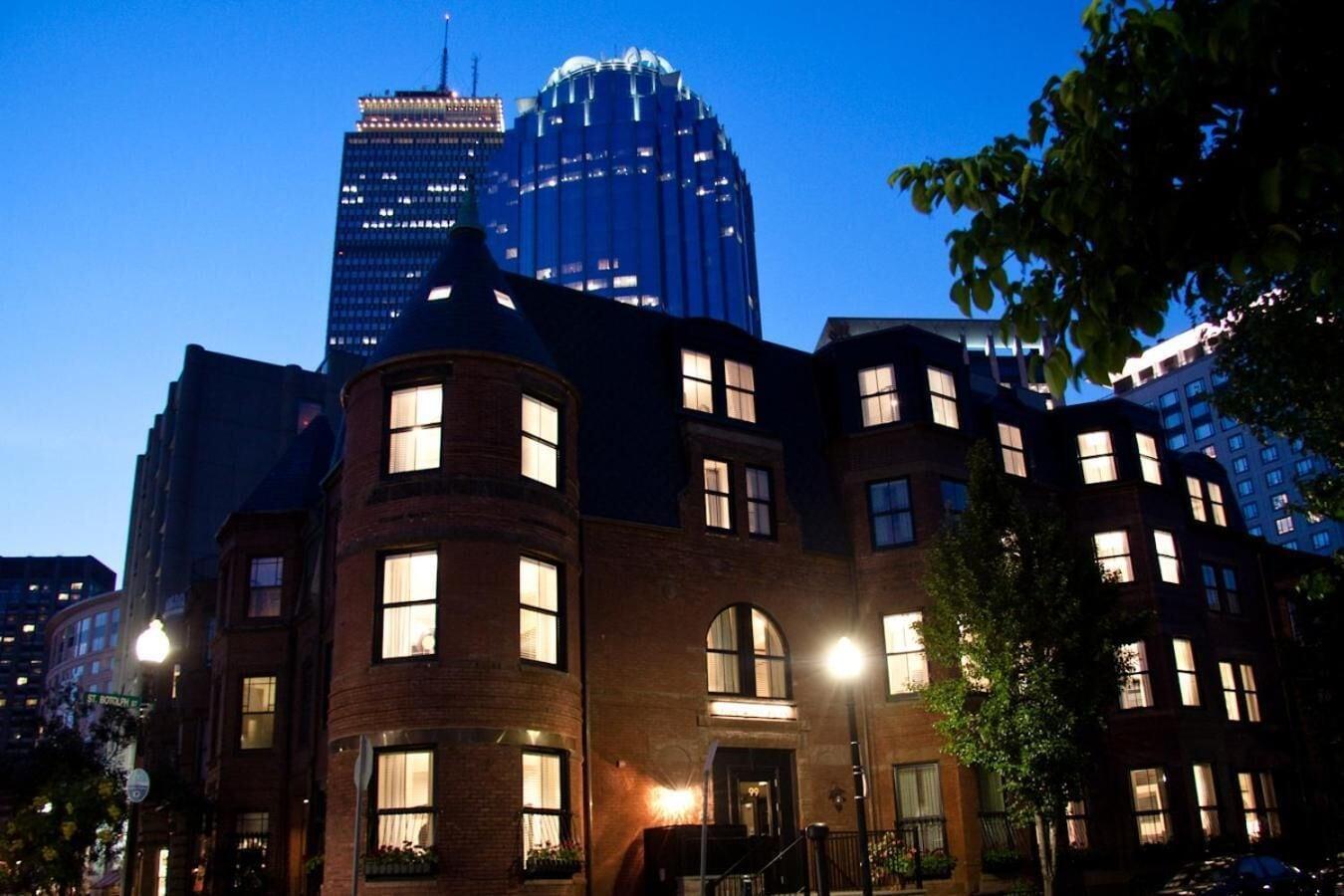
Midtown Manhattan concentrates more of New York City's major landmarks within walking distance than any other district - Grand Central Terminal, Times Square, the Empire State Building, Bryant Park, and Fifth Avenue are all within a roughly 15-minute walk from most hotels here. These 15 boutique hotels range from restored Beaux-Arts landmarks to design-forward properties with rooftop terraces, each offering a distinct character that standard chain hotels in the area simply don't replicate. Whether you're navigating the theater district at night or catching an early train at Penn Station, where you stay in Midtown determines how much of the city you actually experience on foot.
What It's Like Staying In Midtown Manhattan
Midtown Manhattan is the operational core of New York City - the streets are active from 6am through midnight, and the pace shifts dramatically by block. Hotels on or near Times Square sit inside one of the highest foot-traffic corridors in the world, while properties on Park Avenue or Madison Avenue offer a noticeably quieter residential-commercial rhythm just minutes away. The subway grid here is dense, with the B, D, F, M, N, Q, R, W, 1, 2, 3, 4, 5, 6, A, C, and E lines all accessible within short walking distances, meaning you rarely need a taxi. Noise levels vary sharply: a hotel on 42nd Street operates in a different sensory environment than one on 29th or 50th Street, even within the same district.
Pros:
- Walking access to Grand Central, Bryant Park, Times Square, and the Empire State Building without needing transit
- Exceptional subway connectivity - around 10 subway lines serve the district, cutting cross-borough travel to under 30 minutes
- Hotel density means competitive pricing and availability even during peak travel seasons
Cons:
- Streets near Times Square and 8th Avenue generate significant noise that reaches upper-floor hotel rooms
- Midtown's commercial character means fewer neighborhood restaurants and more tourist-trap pricing at street level
- Sidewalk congestion between 42nd and 50th Streets slows walking times significantly during peak hours
Why Choose Boutique Hotels In Midtown Manhattan
Boutique hotels in Midtown Manhattan occupy a distinct position between the massive convention-scale properties and budget chains that dominate the district. Most boutique options here are housed in converted historic buildings - Beaux-Arts structures, former industrial spaces, or early 20th-century landmarks - giving rooms architectural character that generic properties lack entirely. Room sizes at boutique hotels in Midtown typically run smaller than at full-service chains, but the trade-off is a curated lobby experience, design-forward interiors, and staff-to-guest ratios that translate into faster service response. Pricing sits around 15% higher than comparable chain hotels in the same subzone, but that gap narrows significantly when boutique properties offer included amenities like complimentary wine hours, rooftop access, or breakfast.
Pros:
- Architecturally distinct properties in landmarked buildings unavailable through standard chain inventory
- Included perks - wine hours, complimentary coffee, rooftop access - offset the rate premium at several properties
- Lobby bars and on-site dining at boutique hotels in this district function as genuine neighborhood spots, not just hotel amenities
Cons:
- Smaller room footprints are standard - guests expecting spacious layouts should verify square footage before booking
- Some boutique properties in older Midtown buildings lack elevators or have limited accessibility infrastructure
- Boutique hotels rarely offer large conference or group facilities, limiting options for business travelers needing meeting rooms
Practical Booking & Area Strategy For Midtown Manhattan
The most strategically positioned streets for boutique hotels in Midtown run between 28th and 50th Streets, with Madison Avenue and Park Avenue offering the best balance of proximity to landmarks and reduced street noise compared to properties directly on Broadway or 7th Avenue. The NoMad subzone - centered on Madison Avenue between 25th and 30th Streets - has become the highest-density cluster of design-forward boutique hotels in the district, sitting within a 10-minute walk of both Penn Station and Herald Square. Bryant Park and the 42nd Street station complex serve as the most efficient transit hub in Midtown, connecting the 7, B, D, F, M lines for crosstown and uptown movement. For peak season travel - particularly October through December and late spring - boutique hotel rates in Midtown can increase by around 40%, making advance booking 6 weeks out the standard lead time for securing competitive rates. Hell's Kitchen and the area west of 9th Avenue offer slightly lower price points but add meaningful walking distance to the East Side landmarks. The High Line, accessible from the Chelsea edge of Midtown, is a consistent draw that makes properties near 10th Avenue and 18th-28th Streets particularly practical for visitors combining arts, food markets, and park access in a single base.
Best Value Boutique Stays
These properties deliver the core boutique experience - distinct design identity, central Midtown positioning, and strong included amenities - at rates that consistently undercut the premium tier without sacrificing location advantage.
-
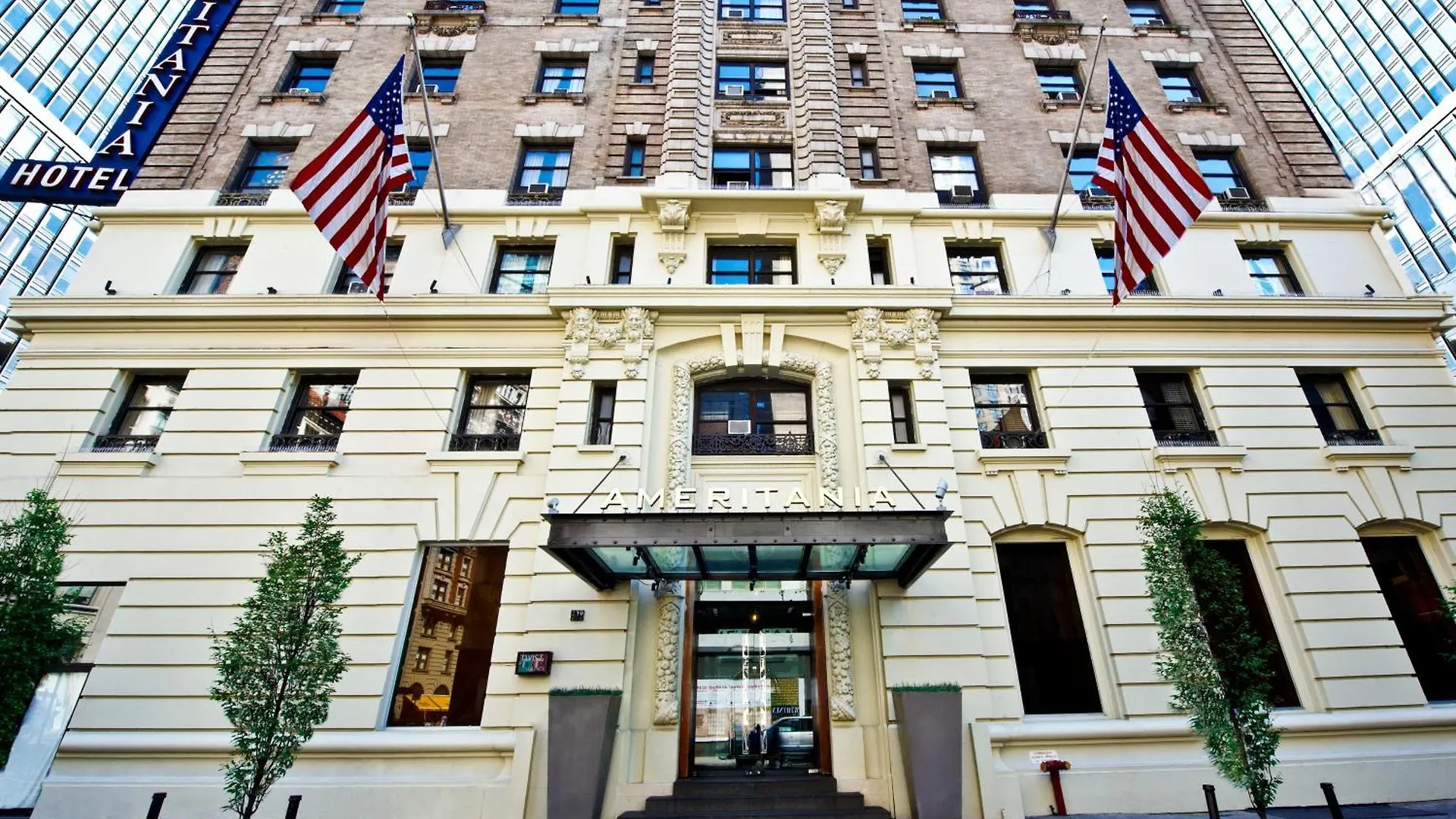
1. Ameritania At Times Square
Show on map


 Check-infrom 15:00 until 23:59Check-outuntil 12:00
Just a few rooms left at the best rate!
fromUS$ 250
-
2. Chelsea Pines Inn
Show on map


 Check-infrom 15:00 until 23:59Check-outuntil 11:00
Hurry – almost gone at this price!
fromUS$ 170
-
3. The Fifty Sonesta Hotel New York
Show on map


 Check-infrom 16:00 until 23:59Check-outuntil 11:00
Best price guarantee
fromUS$ 104
-
4. The Moore, New York City, A Member Of Design Hotels
Show on map


 Check-infrom 15:00 until 23:59Check-outuntil 12:00
Hurry – almost gone at this price!
fromUS$ 215
-
5. Citizenm New York Times Square
Show on map


 Check-infrom 14:00 until 23:59Check-outuntil 11:00
Rooms filling fast – secure the best rate!
fromUS$ 262
-
6. Ink 48 Hotel
Show on map


 Check-infrom 15:00 until 23:59Check-outuntil 12:00
Just a few rooms left at the best rate!
fromUS$ 127
Best Premium Boutique Stays
These properties operate at the upper end of Midtown's boutique market, combining landmark building addresses, elevated dining and bar programs, and room-level amenities that justify the rate premium for travelers prioritizing experience alongside location.
-
7. Kimpton Ashbel New York Park Avenue By Ihg
Show on map


 Check-infrom 15:00 until 23:59Check-outuntil 11:00
Best price guarantee
fromUS$ 165
-
8. Refinery Hotel - New York
Show on map


 Check-infrom 15:00 until 23:59Check-outuntil 12:00
Just a few rooms left at the best rate!
fromUS$ 285
-
9. Hotel Seville Nomad - The Unbound Collection By Hyatt
Show on map


 Check-infrom 16:00 until 23:59Check-outuntil 11:00
Rooms filling fast – secure the best rate!
fromUS$ 215
-
10. The Ned Nomad
Show on map


 Check-infrom 15:00 until 23:59Check-outuntil 12:00
Rooms filling fast – secure the best rate!
fromUS$ 432
-
11. Royalton Park Avenue
Show on map


 Check-infrom 15:00 until 23:59Check-outuntil 12:00
Best price guarantee
fromUS$ 206
-
12. Millennium Hilton New York One Un Plaza
Show on map


 Check-infrom 16:00 until 23:59Check-outuntil 11:00
Hurry – almost gone at this price!
fromUS$ 371
-
13. Hyatt Grand Central New York
Show on map


 Check-infrom 16:00 until 23:59Check-outuntil 11:00
Best price guarantee
fromUS$ 195
-
14. M Social Hotel New York Times Square
Show on map


 Check-infrom 16:00 until 23:59Check-outuntil 11:00
Best price guarantee
fromUS$ 213
-
15. The Prince Kitano New York
Show on map


 Check-infrom 15:00 until 23:59Check-outuntil 11:00
Best price guarantee
fromUS$ 233
Smart Travel & Timing Advice For Midtown Manhattan
Midtown Manhattan operates without a true low season - the district draws business travelers Monday through Thursday year-round, and leisure visitors fill the gap on weekends and during school holiday periods. The sharpest price increases occur from late November through New Year's Eve, when Times Square draws massive crowds and boutique hotel rates can spike by around 40% above standard rack rates. September and October represent the best window for combining manageable crowds, stable weather, and competitive hotel pricing before the holiday surge activates. Spring (April-May) is the second-best window, with rates lower than summer and weather conditions that make walking between Midtown landmarks practical. For boutique hotels specifically, booking at least 6 weeks in advance secures the best room-type availability - premium room categories and properties with rooftop or terrace access sell out earliest. Midweek arrivals (Tuesday or Wednesday) consistently produce lower nightly rates than weekend check-ins, particularly at properties that cater to a mixed business-leisure mix. A minimum of 3 nights is the practical baseline for covering Midtown's core attractions on foot without feeling rushed between transit and sightseeing commitments.