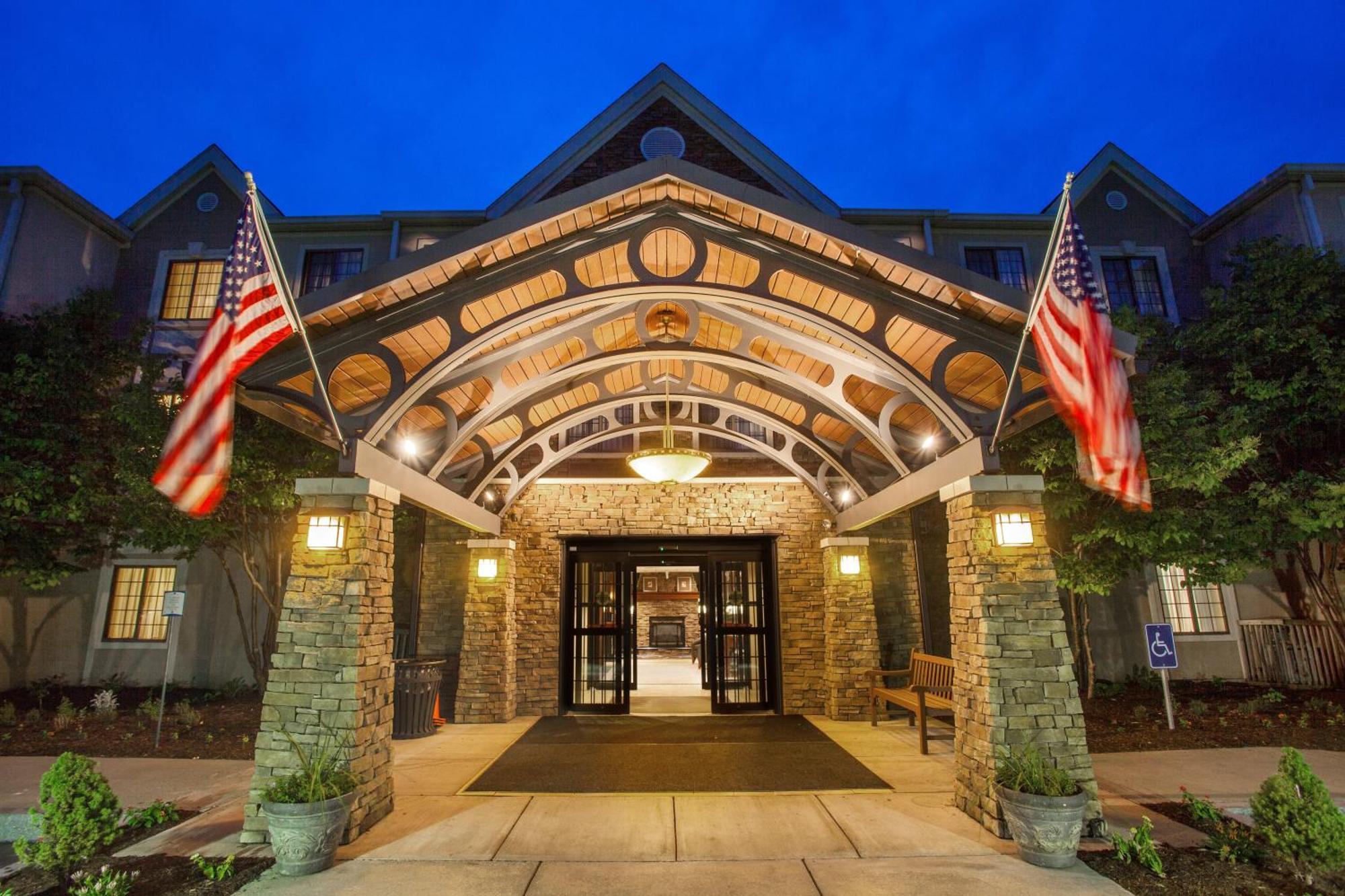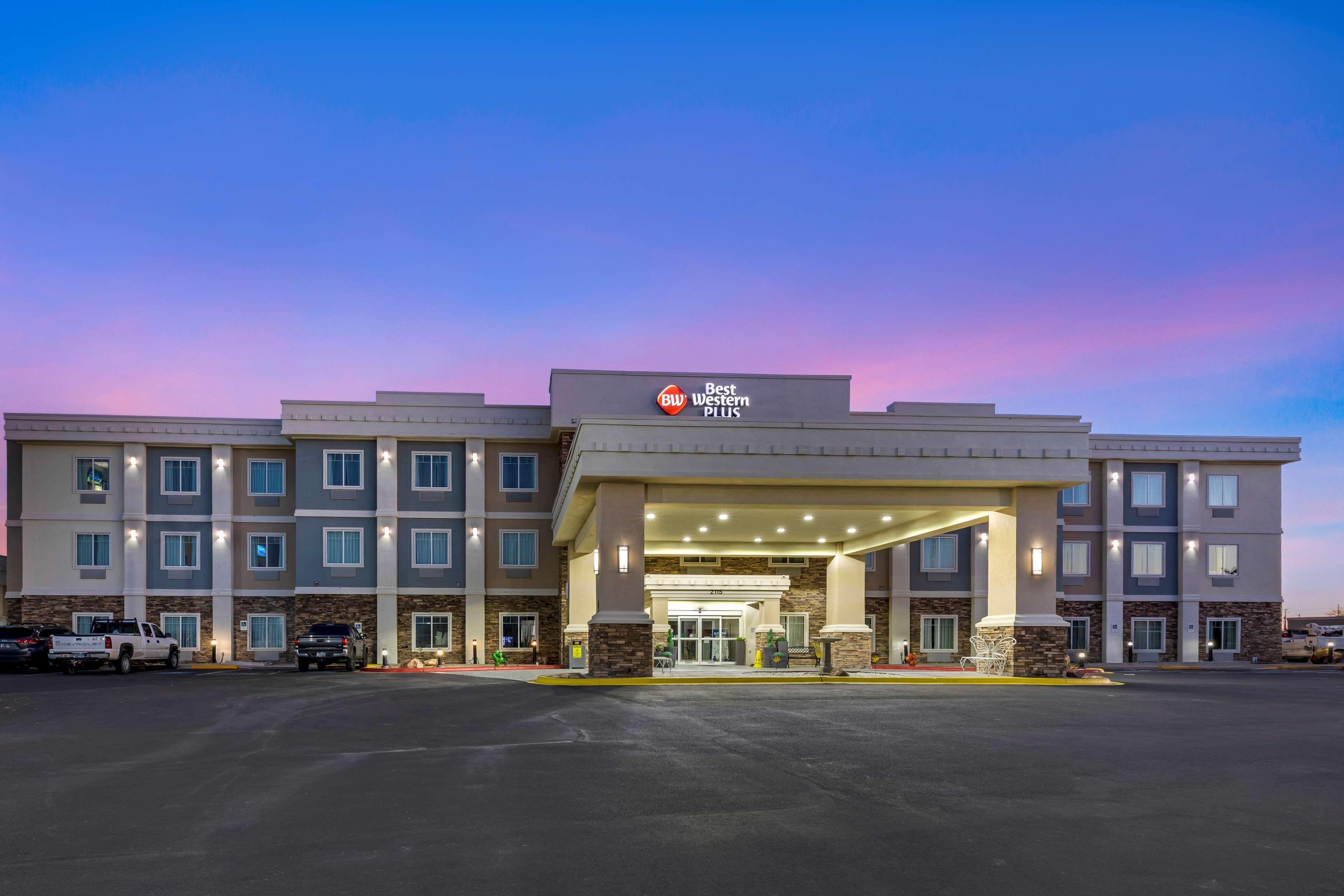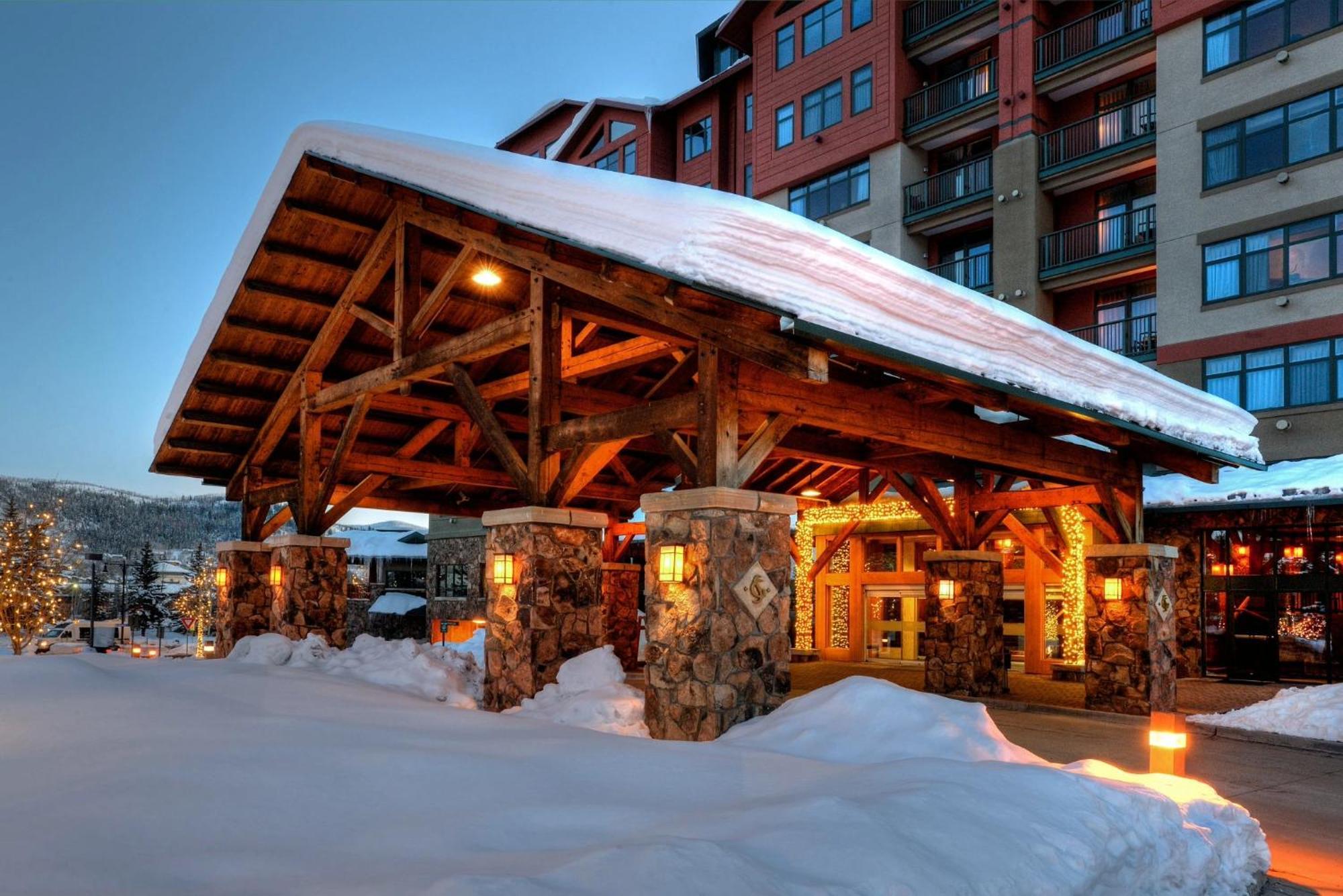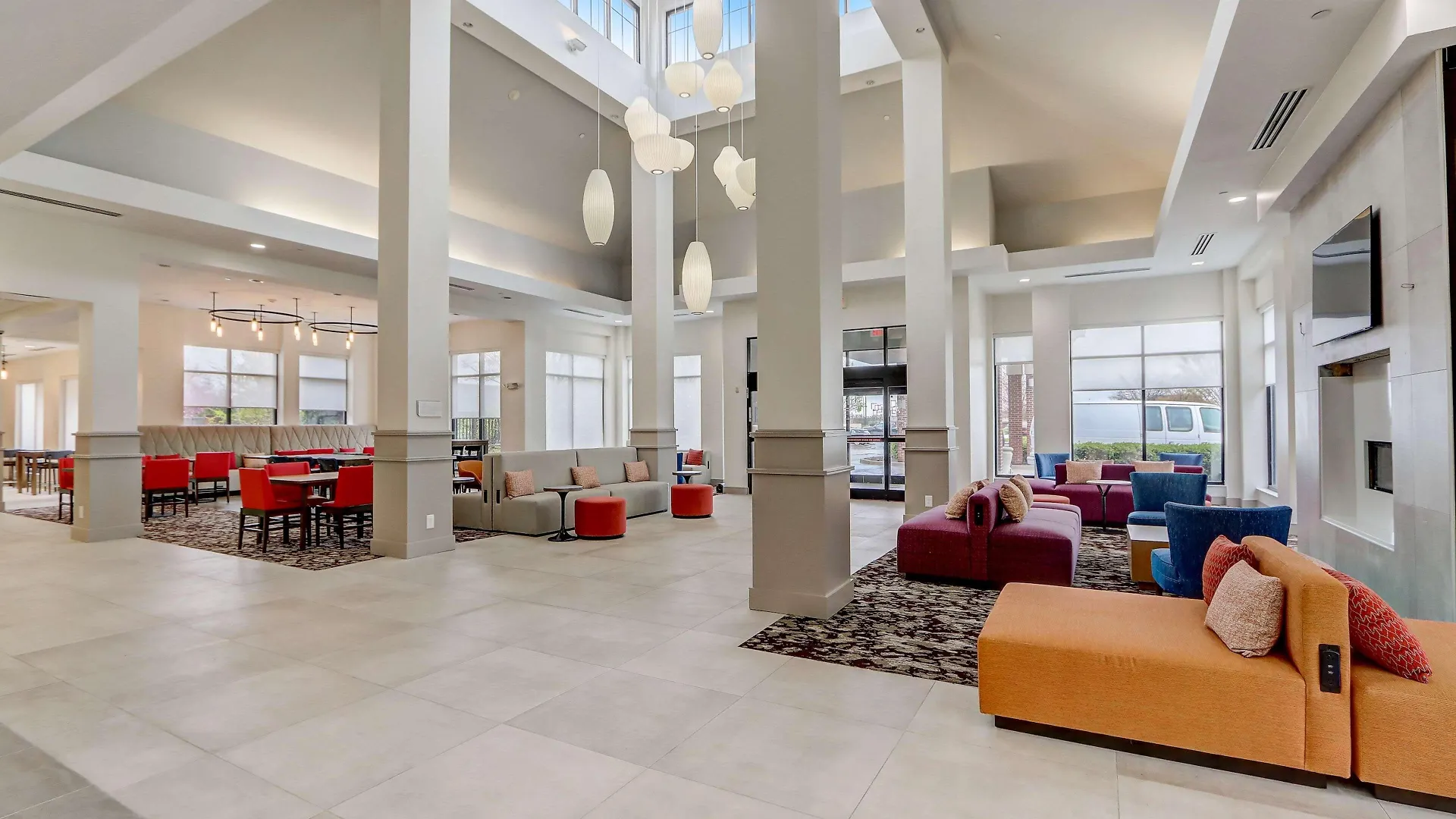
Hilton Garden Inn operates across dozens of US states, positioning itself between budget chains and full-service upscale hotels - a deliberate mid-tier slot that works well for travelers who want reliable room quality, on-site dining, and amenities like indoor pools and fitness centers without paying downtown luxury prices. From Wilkes-Barre, Pennsylvania to Airway Heights near Spokane, Washington, the brand covers suburban corridors, state capitals, airport zones, and secondary cities that other full-service brands often skip. This guide covers 15 Hilton Garden Inn properties across the United States, helping you compare locations, facilities, and positioning so you can book with confidence.
What It's Like Staying in the United States
The United States spans six time zones and an extraordinary range of landscapes - from the Appalachian ridges of Pennsylvania to the high desert of New Mexico, the Great Plains of Kansas, and the Pacific Northwest forests of Washington State. Travel distances between attractions are often underestimated, with even regional sightseeing requiring car access, making hotel location relative to highways and airports a critical booking factor. Crowd patterns vary sharply by region: coastal metros and national parks peak in summer, while Southern cities like Montgomery, Alabama, and Midwestern hubs like Indianapolis see more consistent year-round visitation from business and event-driven travelers.
Secondary cities - Topeka, Hays, Uniontown, Wilkes-Barre - often offer around 40% lower accommodation costs compared to major metros while still providing access to meaningful regional attractions, making them undervalued by international travelers who default to New York or Los Angeles. The US interstate highway system makes driving between properties in the same region straightforward, but public transit outside major cities is limited, so a rental car is effectively mandatory in most Hilton Garden Inn locations covered in this guide.
Pros:
- Enormous geographic and landscape diversity within a single country, from mountain ski resorts to coastal wetlands to plains
- Secondary US cities offer competitive hotel rates with direct highway access and minimal urban congestion
- Strong infrastructure for road travel, with consistent gas station networks, rest stops, and interstate signage
Cons:
- Public transportation is unreliable or nonexistent in suburban and rural areas where many Hilton Garden Inns are located
- Peak summer and holiday periods drive occupancy up sharply, reducing last-minute availability in popular corridors
- Urban sprawl in cities like Phoenix, Charlotte, and Indianapolis means attractions can be widely dispersed, adding drive time
Why Choose Hilton Garden Inn Hotels in the United States
Hilton Garden Inn occupies a specific and consistent position in the US hotel market: 3-star rated, with amenities that punch above that classification in many properties. Nearly every location in this guide includes an indoor or outdoor pool, a fitness center, free parking, an on-site bar and restaurant, and room-level conveniences like microwaves, fridges, and coffee machines - a combination that's harder to find consistently at independent hotels in the same price bracket. Free parking is standard across almost all US Hilton Garden Inn locations, which is a genuine cost-saver in cities where parking garages charge significantly per night.
The brand's positioning targets corporate and bleisure travelers, meaning rooms are generally work-functional - desks, reliable WiFi, and business centers are consistent. Room sizes in suburban US Hilton Garden Inn locations tend to be more generous than their urban counterparts, and noise levels are lower given most properties sit near highway exits rather than downtown cores. Breakfast is available at every property in this guide, ranging from buffet to à la carte American options, eliminating the daily cost and logistics of finding a nearby café - a real advantage in car-dependent suburban settings.
Pros:
- Free parking included at nearly all US locations, saving meaningful costs on multi-night stays
- On-site dining and bar at most properties reduces dependency on surrounding restaurant availability
- Consistent room amenities - fridge, microwave, desk, coffee maker - across the brand's US portfolio
Cons:
- Suburban locations mean limited walkability; most properties require a car to reach dining, shopping, or attractions
- The mid-tier positioning means interiors can feel functional rather than distinctive or memorable
- Business-oriented design prioritizes utility over atmosphere, which may not suit leisure-only travelers seeking character
Practical Booking & Area Strategy for Hilton Garden Inn Stays in the US
Location selection is the most consequential decision when booking a Hilton Garden Inn in the US, as the brand's suburban footprint means you're often choosing between highway convenience and proximity to city centers. Airport-adjacent properties like Spokane Airport (3 km from Spokane International) eliminate transit costs for early departures or late arrivals, while properties in secondary cities like Manassas, Virginia - around 22 km from Washington Dulles - offer meaningful savings over DC-area rates while keeping the capital accessible by car or commuter rail. For travelers focused on regional exploration rather than a single city, properties in Cranberry Township (Pittsburgh), Mayfield Village (Cleveland), and Kennett Square (Philadelphia region) are positioned along major interstates and give efficient access to multiple urban and natural destinations without the congestion of staying downtown.
In state capital cities - Springfield, Illinois; Topeka, Kansas; Montgomery, Alabama - Hilton Garden Inn properties serve as the most reliable mid-tier option in markets with fewer branded hotel choices, making advance booking especially important during legislative sessions, university events, and regional conferences. Booking at least 3 weeks ahead during summer and fall foliage season in Pennsylvania and the Northeast is advisable, as properties near Pocono Mountain resorts and outdoor recreation corridors fill quickly. For the Southwest, the Phoenix North Scottsdale area operates on a reversed seasonal curve, with peak demand running October through April when desert temperatures are most comfortable for outdoor activity.
Hilton Garden Inn Hotels in the Midwest & Great Plains
This group covers Hilton Garden Inn properties in Indianapolis, Springfield (Illinois), Topeka, and Hays (Kansas) - mid-continent locations that serve road travelers, corporate guests, and regional event attendees. These properties offer some of the most competitive nightly rates in the Hilton Garden Inn US portfolio and are well-positioned along interstate corridors.
-
1. Hilton Garden Inn Indianapolis Northwest
Show on map


 Check-infrom 15:00 until 23:59Check-outuntil 12:00
Best price guarantee
fromUS$ 145
-
2. Hilton Garden Inn Springfield, Il
Show on map


 Check-infrom 15:00 until 23:59Check-outuntil 11:00
Just a few rooms left at the best rate!
fromUS$ 102
-
3. Hilton Garden Inn Topeka
Show on map


 Check-infrom 15:00 until 23:59Check-outuntil 11:00
Hurry – almost gone at this price!
fromUS$ 93
-
4. Hilton Garden Inn Hays, Ks
Show on map


 Check-infrom 15:00 until 23:59Check-outuntil 11:00
Just a few rooms left at the best rate!
fromUS$ 186
Hilton Garden Inn Hotels in the Northeast & Mid-Atlantic
Pennsylvania dominates this group, with properties in Uniontown, Wilkes-Barre, Kennett Square, and Cranberry Township (Pittsburgh), alongside Manassas in Northern Virginia. These hotels cover the dense Mid-Atlantic corridor where proximity to interstate highways, regional attractions, and major metros determines their value for different traveler profiles.
-
5. Hilton Garden Inn Uniontown
Show on map


 Check-infrom 16:00 until 23:59Check-outuntil 11:00
Rooms filling fast – secure the best rate!
fromUS$ 90
-
6. Hilton Garden Inn Wilkes-Barre
Show on map


 Check-infrom 15:00 until 23:00Check-outuntil 11:00
Hurry – almost gone at this price!
fromUS$ 129
-
7. Hilton Garden Inn Kennett Square
Show on map


 Check-infrom 15:00 until 23:00Check-outuntil 11:00
Rooms filling fast – secure the best rate!
fromUS$ 124
-
8. Hilton Garden Inn Pittsburgh/Cranberry
Show on map


 Check-infrom 15:00 until 23:59Check-outuntil 12:00
Best price guarantee
fromUS$ 102
-
9. Hilton Garden Inn Manassas
Show on map


 Check-infrom 15:00 until 23:59Check-outuntil 11:00
Best price guarantee
fromUS$ 271
Hilton Garden Inn Hotels in the South, Southeast & West
This group spans Montgomery (Alabama), Charlotte (North Carolina), Cleveland's eastern suburbs (Ohio), Rio Rancho near Albuquerque (New Mexico), Spokane Airport (Washington), and North Scottsdale (Phoenix, Arizona). These properties cover warmer-climate destinations and airport-corridor stays, each with distinct positioning.
-
10. Hilton Garden Inn Montgomery - Eastchase
Show on map


 Check-infrom 16:00 until 23:59Check-outuntil 11:00
Just a few rooms left at the best rate!
fromUS$ 144
-
11. Hilton Garden Inn Charlotte Waverly
Show on map


 Check-infrom 15:00 until 23:59Check-outuntil 12:00
Hurry – almost gone at this price!
fromUS$ 127
-
12. Hilton Garden Inn Cleveland East / Mayfield Village
Show on map


 Check-infrom 15:00 until 23:59Check-outuntil 12:00
Just a few rooms left at the best rate!
fromUS$ 136
-
13. Hilton Garden Inn Albuquerque North/Rio Rancho
Show on map


 Check-infrom 15:00 until 23:59Check-outuntil 12:00
Hurry – almost gone at this price!
fromUS$ 111
-
14. Hilton Garden Inn Spokane Airport
Show on map


 Check-infrom 16:00 until 23:30Check-outuntil 12:00
Rooms filling fast – secure the best rate!
fromUS$ 159
-
15. Hilton Garden Inn North Phoenix Scottsdale
Show on map


 Check-infrom 15:00 until 23:59Check-outuntil 11:00
Rooms filling fast – secure the best rate!
fromUS$ 86
Smart Timing & Booking Advice for Hilton Garden Inn Stays in the US
The United States does not have a single peak travel season - it varies by region, and understanding this is essential for booking Hilton Garden Inn properties at the right time. Northeast and Mid-Atlantic properties in Pennsylvania and Virginia peak in summer (June-August) and fall foliage season (mid-September through October), when Pocono Mountain, Pittsburgh, and Northern Virginia corridors see elevated demand from both leisure travelers and weekend event traffic. Booking at least 3 weeks in advance during these windows is advisable, particularly for properties near Wilkes-Barre and Cranberry Township where ski and motorsport events compress supply sharply.
For the Southwest - specifically the Phoenix North Scottsdale and Rio Rancho near Albuquerque properties - the demand curve inverts: October through April is the high season, with rates and occupancy rising as snowbirds and conference attendees fill the region. Summer bookings in Phoenix can be made closer to the date, often with lower rates, but the heat (regularly above 40°C in July and August) limits outdoor activities substantially. Midwest and Great Plains properties in Topeka, Hays, and Indianapolis operate with more stable year-round pricing, but university event calendars, state legislative sessions, and IndyCar race weekends in Indianapolis can create localized demand spikes that require 4-6 weeks of lead time. For airport-adjacent stays like Spokane, last-minute availability is generally more consistent given the transient nature of the demand, though summer Pacific Northwest travel season tightens inventory from late June onward.