Tucson sits in the Sonoran Desert at around 2,400 feet elevation, which means dry heat in summer, mild winters, and some of the clearest skies in the American Southwest. With a metro population of nearly one million and a city footprint that sprawls considerably, choosing the right hotel area matters far more here than in a walkable urban grid. This guide breaks down 4 three-star hotels across Tucson's key zones - from the university corridor to the northwest Marana edge - so you can book with geographic clarity, not just star ratings.
What It's Like Staying in Tucson
Tucson is a car-dependent city - there is no practical way around this. The Sun Link streetcar covers a narrow downtown-to-university corridor, but most attractions, trailheads, and dining districts require a vehicle or rideshare. Sabino Canyon, Saguaro National Park, and Mount Lemmon are each at least 20 minutes by car from central Tucson, so proximity to the freeway often matters more than proximity to downtown. Crowds stay manageable year-round except during University of Arizona events and the popular gem and mineral show each February, when hotel rates spike across the entire metro.
Pros:
- Affordable hotel rates compared to Phoenix - around 30% lower on average for equivalent properties
- Easy freeway access (I-10 and I-19) makes reaching any district fast from most hotels
- Outdoor attractions like Sabino Canyon and Saguaro National Park East are within a 30-minute drive of most stays
Cons:
- A car is essentially non-negotiable for most travelers - rideshare costs add up quickly for multi-day itineraries
- Summer temperatures regularly exceed 100°F, limiting midday outdoor activity significantly
- Tucson's sprawl means a poorly chosen hotel location can add 20+ minutes of driving per trip
Why Choose a 3-Star Hotel in Tucson
Three-star hotels in Tucson fill a useful middle ground: they consistently offer amenities like heated pools, free parking, and hot breakfast - features that matter in a desert city where you start early to beat the heat - without the resort fees that Tucson's higher-end properties routinely charge. Free parking is standard across this tier, which is a real financial advantage given how car-dependent Tucson is. Expect rooms in the 280-380 square foot range, which is reasonable for the price point, though extended-stay formats at properties like Candlewood offer kitchen facilities that change the math entirely for week-long trips.
Main advantages of this hotel category in Tucson:
- Heated pools and hot tubs are common - a genuine asset when hiking mornings start at 6am and you return in the afternoon
- Complimentary breakfast is offered at nearly all 3-star options here, cutting daily food costs meaningfully
- Free parking is standard, saving around $15-$20 per night compared to downtown properties with paid lots
Main trade-offs in Tucson:
- Most 3-star properties sit along commercial corridors (Oracle Road, Speedway, I-10 exits) - not in scenic or walkable neighborhoods
- Room soundproofing near freeway-adjacent hotels varies considerably - worth checking recent reviews
- Limited walkable dining within this tier; most guests drive to restaurants even for breakfast
Practical Booking & Area Strategy in Tucson
Tucson's geography splits naturally into zones that serve different travel purposes. The northeast corridor near Sabino Canyon Road and Tanque Verde Road puts hikers and nature-focused travelers closest to Sabino Canyon Recreation Area and Saguaro National Park East, with quieter surroundings and easy access to the Catalina Foothills. The university district along East Speedway Boulevard and Campbell Avenue keeps visitors within walking distance of the UA campus, 4th Avenue's independent restaurants, and the downtown arts scene. Northwest Tucson near the I-10/Marana interchange is the practical choice for travelers passing through, attending events at Tucson Premium Outlets, or needing the fastest airport-to-freeway access. Book at least 6 weeks ahead for February stays during the Tucson Gem and Mineral Show, when occupancy across all tiers hits near 100%. Key attractions including the Pima Air and Space Museum, Reid Park Zoo, and Tumacacori National Historical Park all require a car regardless of where you stay, so factor driving time - not just nightly rate - when selecting your base.
Best Value Stays
These two properties deliver the strongest combination of included amenities, practical location, and price efficiency for travelers prioritizing outdoor access and daily comfort in Tucson.
-
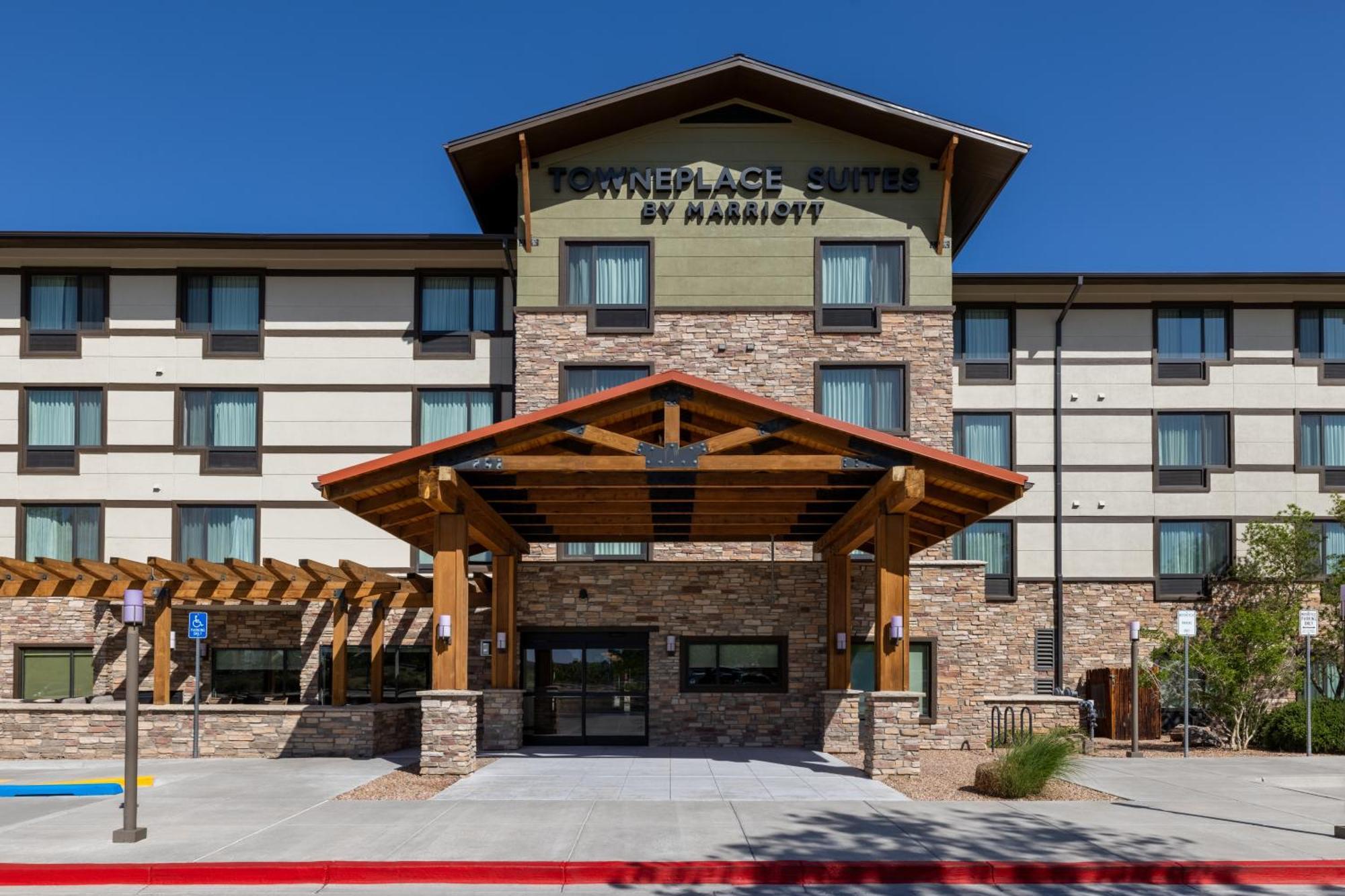
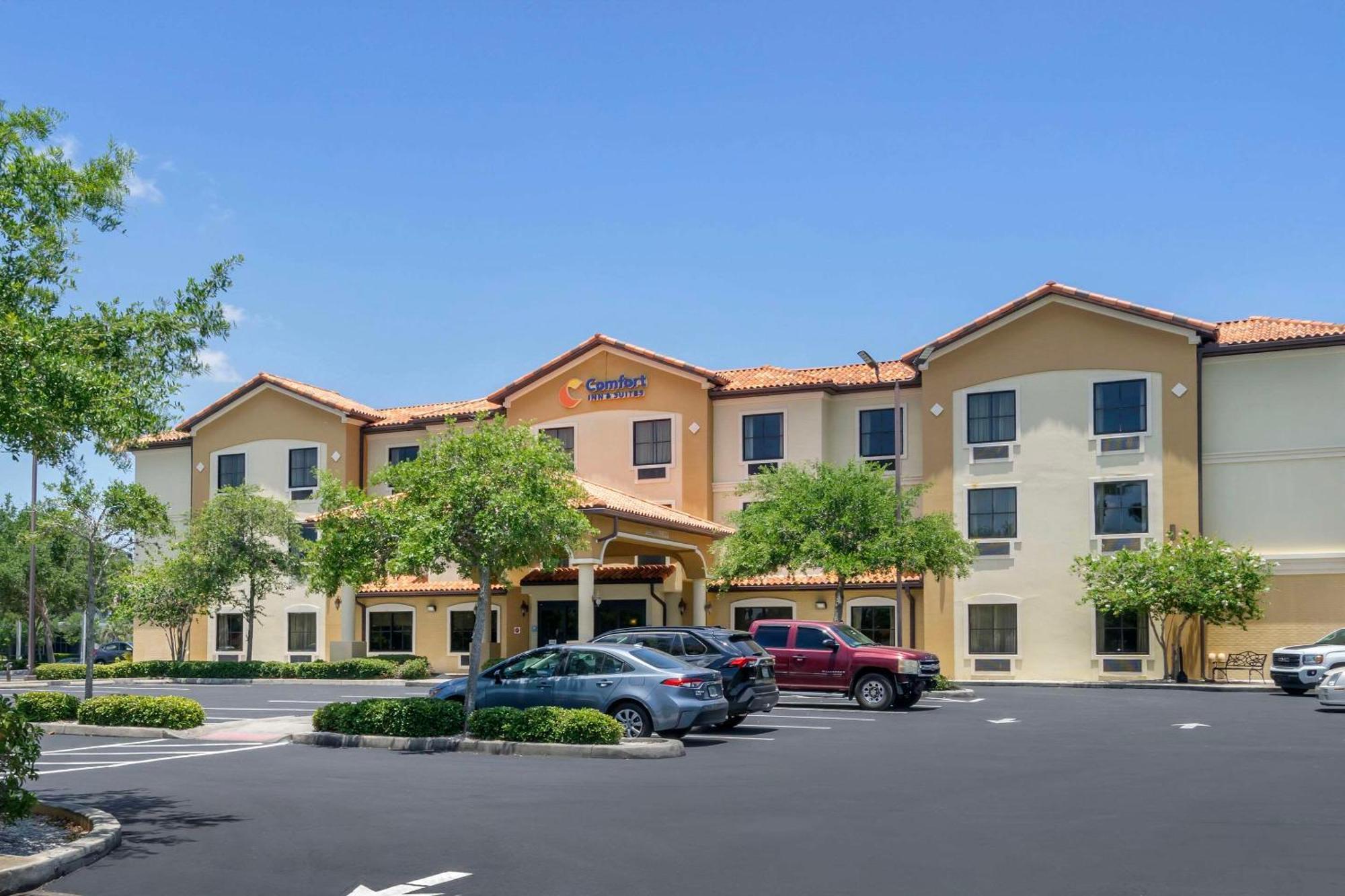
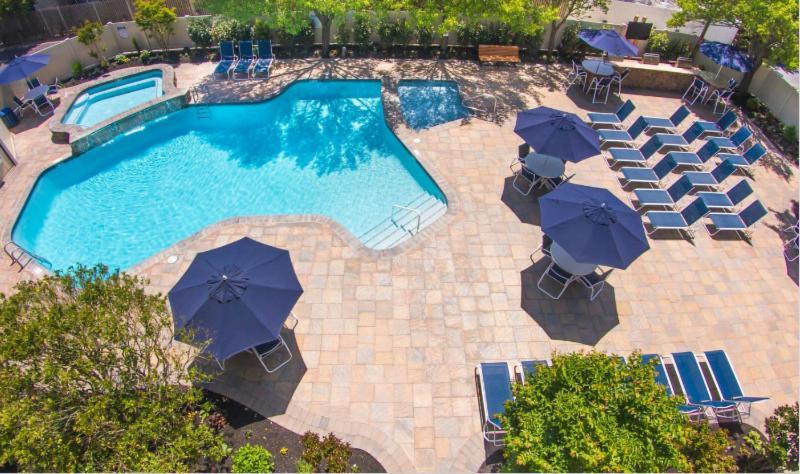
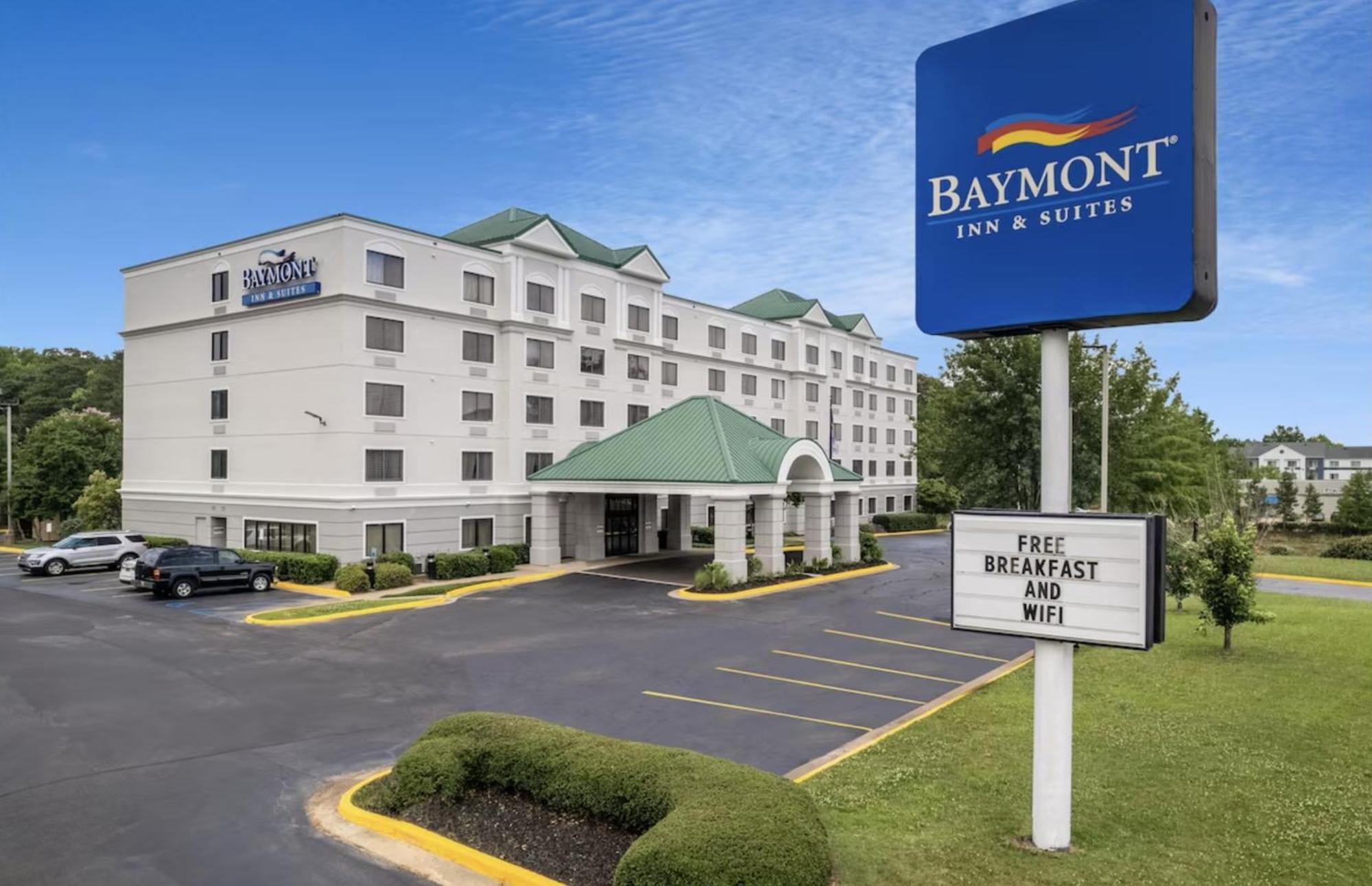
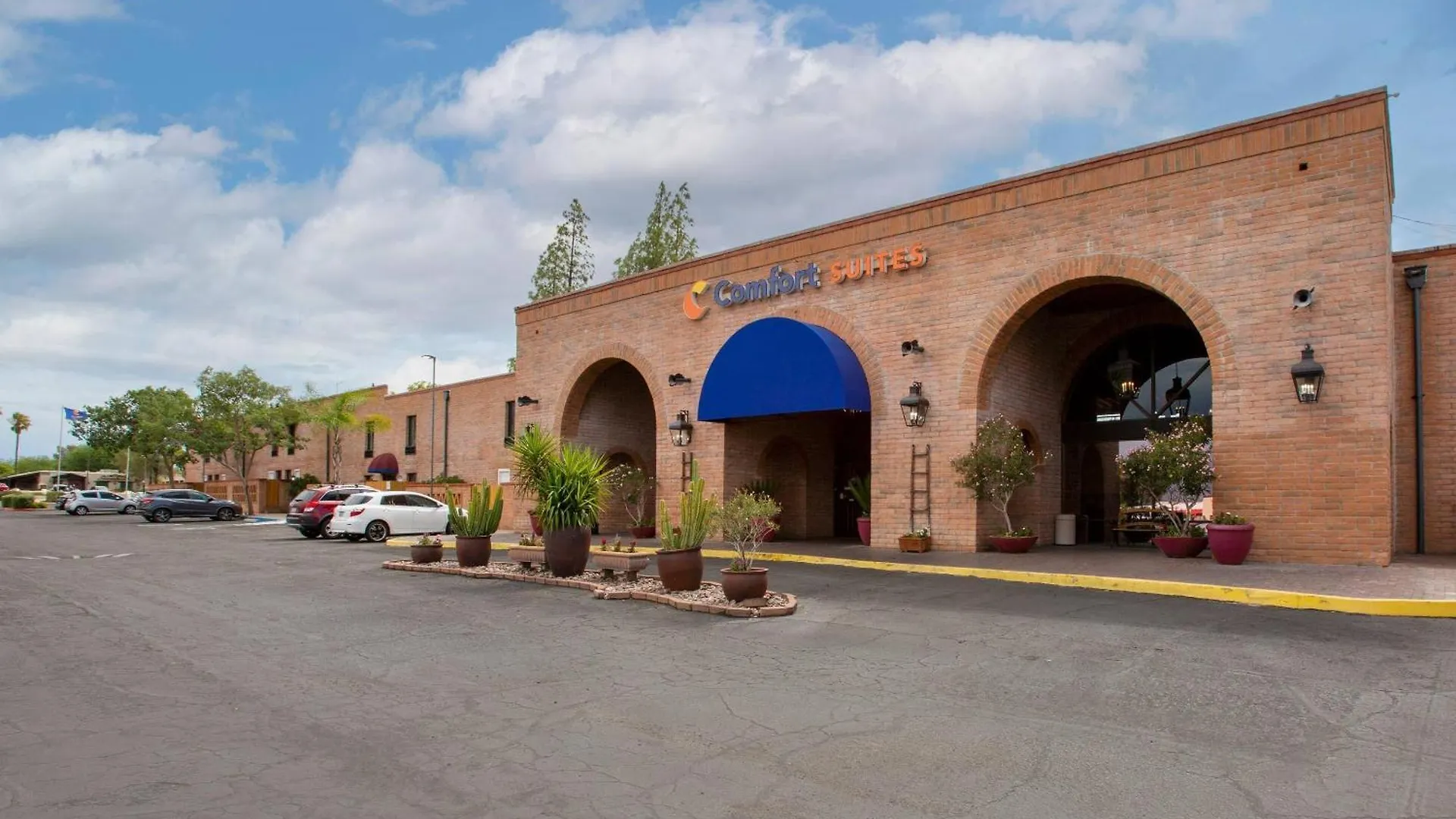
1. Comfort Suites Tucson Near Sabino Canyon
Show on map


 Check-infrom 15:00 until 23:59Check-outuntil 11:00
Just a few rooms left at the best rate!
fromUS$ 94
-
2. Adobe Rose Inn
Show on map


 Check-infrom 15:00 until 17:00Check-outuntil 11:00
Just a few rooms left at the best rate!
fromUS$ 206
Best Premium Stays
These two properties offer extended amenities, freeway-adjacent positioning, and features suited to longer stays or travelers who need consistent infrastructure across a multi-day Tucson itinerary.
-
3. La Quinta By Wyndham Nw Tucson Marana
Show on map


 Check-infrom 15:00 until 23:59Check-outuntil 11:00
Hurry – almost gone at this price!
fromUS$ 93
-
4. Candlewood Suites Tucson By Ihg
Show on map


 Check-infrom 16:00 until 23:59Check-outuntil 12:00
Rooms filling fast – secure the best rate!
fromUS$ 109
Smart Travel Timing for Tucson
Tucson's best booking window for 3-star hotels falls between October and mid-December, when desert temperatures drop to a comfortable range, outdoor activities are fully accessible, and hotel rates sit well below peak levels. February is the single most competitive month for availability in Tucson - the annual Gem, Mineral, and Fossil Showcase draws tens of thousands of attendees, and properties across all tiers fill weeks in advance. March through early April brings the spring shoulder season, with the Tucson Festival of Books and University of Arizona spring events adding localized demand spikes around the campus corridor. Summer stays (June through August) work best for travelers targeting higher elevations - Mount Lemmon's summit sits around 9,157 feet and stays 30°F cooler than the valley floor - but midday heat makes downtown exploration genuinely uncomfortable. Book at least 8 weeks ahead for February, and for all other months, a 2-to-3-week advance window is typically sufficient to secure good rates without losing flexibility. A stay of four nights gives enough time to cover Saguaro National Park (both districts), Sabino Canyon, and the downtown museum corridor without feeling rushed.