The Las Vegas Strip concentrates some of the most architecturally distinctive hotels in North America, from Luxor's unmistakable black pyramid to the Parisian-inspired interiors of The Cromwell. Choosing a design-forward property here isn't just an aesthetic decision - it directly affects your access to entertainment, dining, and the casino floor without ever leaving the building. This guide breaks down the best exceptional design hotels on the Las Vegas Strip so you can match the right property to your actual travel priorities.
What It's Like Staying on the Las Vegas Strip
Staying on the Las Vegas Strip means you are inside the action, not commuting to it - most major casinos, shows, and restaurants sit within walking distance, though the sheer scale of the boulevard means a stroll from the Luxor at the south end to the SAHARA at the north end covers around 7 kilometers. Foot traffic peaks heavily after 10 PM, and weekend nights between Friday and Sunday see the sidewalks genuinely crowded, which is worth factoring in if you plan to move between properties. The Strip rewards guests who want density and spectacle but can feel relentless for anyone seeking quiet or space.
Pros:
- Unmatched concentration of entertainment, dining, and casinos within a single corridor
- Las Vegas Monorail connects key mid-Strip and north-Strip properties without needing a car
- Most design hotels sit steps from headline attractions like Bellagio Fountains, Caesars Palace, and MGM Grand Arena
Cons:
- Street noise and artificial lighting make the environment relentless around the clock
- Resort fees are standard across Strip properties and can add significantly to nightly costs
- Walking distances between Strip hotels are deceptive - what looks close on a map can take 20 minutes on foot
Why Choose Exceptional Design Hotels on the Las Vegas Strip
Design-led hotels on the Strip go far beyond surface aesthetics - properties like the Waldorf Astoria and Four Seasons are built around coherent spatial concepts, with room layouts, lighting systems, and material choices that create a noticeably different experience from standard casino-hotel blocks. These properties typically position themselves in the mid-to-upper price tier, but they also tend to offer quieter floor plans, more deliberate room configurations, and spa and dining programs that function as destinations in their own right. The trade-off is that some design-focused properties, particularly boutique options like The Cromwell, operate at a smaller scale, meaning fewer pool options and a more curated rather than comprehensive amenity set.
Main advantages of design hotels on the Strip:
- Rooms are designed with spatial logic - charging, storage, and workspace are integrated rather than afterthoughts
- On-site dining at design hotels frequently features chef-driven concepts rather than generic buffet formats
- Spa facilities at properties like the Waldorf Astoria span 27,000 square feet, functioning as standalone wellness destinations
Main trade-offs in this specific zone:
- Smaller boutique design properties lack the multi-pool complexes found at larger Strip resorts
- Premium design hotels on the Strip charge resort fees on top of room rates, raising the real nightly cost
- High-design rooms prioritize aesthetics, which occasionally means less practical storage space for longer stays
Practical Booking & Area Strategy for the Las Vegas Strip
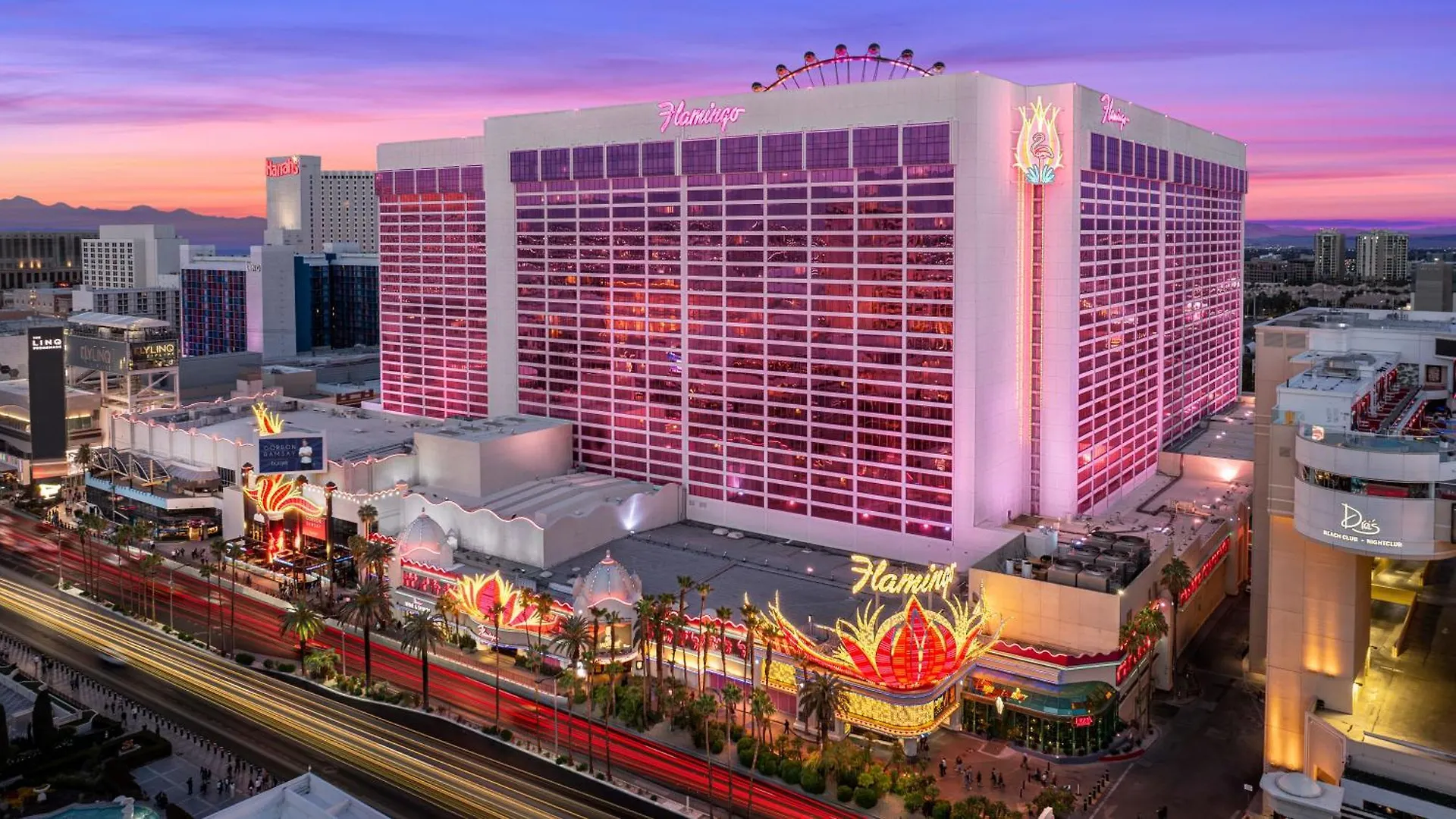
Position matters enormously on a corridor this long. The mid-Strip cluster - roughly between Flamingo Road and Harmon Avenue - gives you the densest access to top-tier properties, the Bellagio Fountains, Caesars Palace, and the Cosmopolitan without needing transport. The south Strip around Luxor and Mandalay Bay requires a tram connection or a long walk to reach central attractions, which is a real logistical consideration if you plan to move around daily. The north Strip near the SAHARA sits close to the Las Vegas Convention Center, making it a strategically sound choice during trade show periods when mid-Strip rates spike by around 60%. For transport, the Las Vegas Monorail runs along the east side of the Strip and connects Sahara Station all the way to MGM Grand Station, covering around 6 kilometers of the corridor. Book at least 6 weeks in advance for weekends, major boxing events, or Formula 1 race weeks, when even secondary properties hit peak pricing. Things to do within steps of these hotels include the Bellagio Fountains, the High Roller observation wheel, the LINQ Promenade, Drai's rooftop nightclub, the Wildlife Habitat at Flamingo, and the BetMGM Sportsbook at Luxor.
Best Value Design Stays on the Strip
These properties deliver strong design credentials and full resort amenity sets at price points that sit below the Strip's ultra-luxury ceiling, making them the most accessible entry points for design-conscious travelers.
-
1. Flamingo Las Vegas Hotel & Casino
Show on map


 Check-infrom 16:00 until 23:59Check-outuntil 11:00
Just a few rooms left at the best rate!
fromUS$ 5
-
2. Luxor
Show on map


 Check-infrom 15:00 until 23:59Check-outuntil 11:00
Just a few rooms left at the best rate!
fromUS$ 11
-
3. Mgm Grand
Show on map


 Check-infrom 15:00 until 23:59Check-outuntil 11:00
Just a few rooms left at the best rate!
fromUS$ 38
-
4. Harrah'S Las Vegas, A Caesars Destination
Show on map


 Check-infrom 16:00 until 23:59Check-outuntil 11:00
Hurry – almost gone at this price!
fromUS$ 11
-
5. Sahara Las Vegas
Show on map


 Check-infrom 16:00 until 23:59Check-outuntil 11:00
Hurry – almost gone at this price!
fromUS$ 10
-
6. Springhill Suites By Marriott Las Vegas Convention Center
Show on map


 Check-infrom 16:00 until 23:59Check-outuntil 12:00
Hurry – almost gone at this price!
fromUS$ 144
Best Premium Design Stays on the Strip
These properties represent the Strip's most refined design and service positioning, with room concepts, spa programs, and dining credentials that operate at a level above standard resort formats.
-
7. The Vanderpump Las Vegas Hotel & Casino - A Caesars Rewards Destination (Adults Only)
Show on map


 Check-infrom 16:00 until 23:59Check-outuntil 11:00
Rooms filling fast – secure the best rate!
fromUS$ 40
-
8. Four Seasons Hotel Las Vegas
Show on map


 Check-infrom 16:00 until 23:59Check-outuntil 12:00
Rooms filling fast – secure the best rate!
fromUS$ 325
-
9. Waldorf Astoria Las Vegas
Show on map


 Check-infrom 16:00 until 23:59Check-outuntil 11:00
Rooms filling fast – secure the best rate!
fromUS$ 185
Smart Timing & Booking Advice for the Las Vegas Strip
The Las Vegas Strip has no true off-season in the conventional sense, but the windows between major events - typically mid-January through February and parts of September - deliver meaningfully lower rates and thinner crowds on the boulevard. March through May and September through November represent the best balance of manageable temperatures and reasonable pricing, before the summer heat pushes daytime highs above 40°C and drives guests indoors to casino floors for most of the afternoon. Summer rates can paradoxically dip on weekdays even in peak months because the Strip's crowd patterns are almost entirely weekend-driven - a Tuesday or Wednesday check-in versus a Friday arrival at the same property can reflect a price difference of around 40%. Formula 1 Las Vegas Grand Prix in November, major boxing events at MGM Grand Garden Arena, and New Year's Eve are the three peak moments where booking 8 to 10 weeks in advance is non-negotiable across all tiers. For design hotels specifically, the Waldorf Astoria and Four Seasons sell out their most desirable room categories earliest, so locking those in well ahead of mid-range options is worth prioritizing. A minimum stay of 3 nights allows enough time to meaningfully engage with the Strip's dining and entertainment circuits rather than spending most of your time in transit between properties.