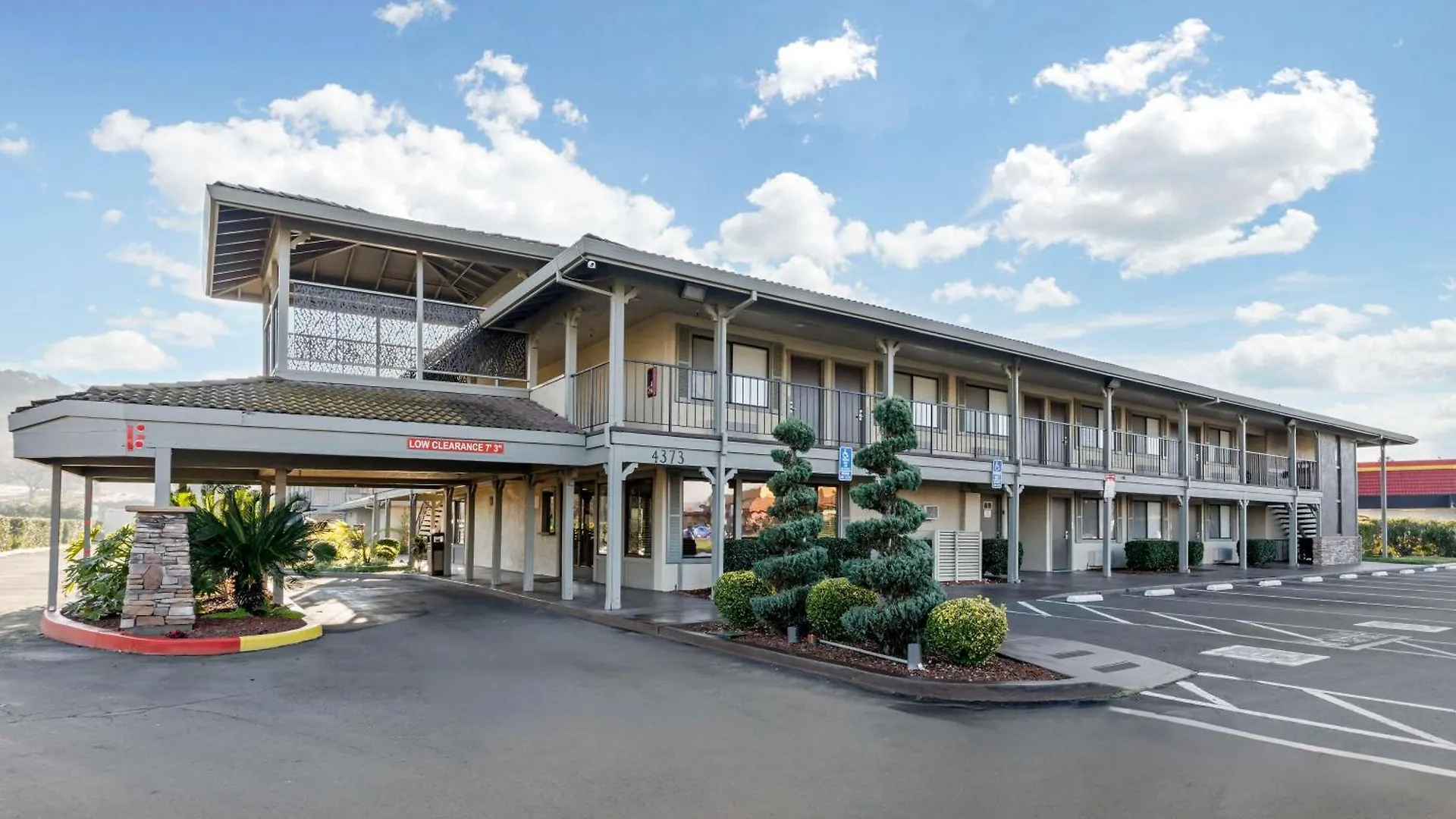
The San Francisco Bay Area stretches across nine counties and dozens of cities - from wine country in Sonoma and Napa to tech corridors near Davis and Livermore. Choosing a 3-star hotel here means balancing proximity to your main destinations with value, since rates in the urban core can be steep. This guide covers 8 properties across the Bay Area that deliver reliable comfort, practical amenities, and strategic positioning without the premium price tag of downtown San Francisco stays.
What It's Like Staying in San Francisco Bay Area
The Bay Area is one of the most geographically diverse metro regions in the US - a single trip can take you from Sonoma wine country to Silicon Valley tech hubs to coastal Marin County. Traffic on I-80 and US-101 is notoriously congested during weekday rush hours, meaning where you stay directly affects how much time you spend in your car. Visitors focused on wine tasting in Napa or Sonoma benefit from staying in those sub-regions rather than commuting from San Francisco, where hotel rates can run around 60% higher than comparable properties in Fairfield or Santa Rosa.
Pros:
- Exceptional access to Napa and Sonoma wine country from mid-Bay Area bases like Fairfield or Sonoma town
- Most 3-star properties include free parking - a major advantage over downtown SF hotels that charge premium valet fees
- Year-round mild climate makes outdoor pools and garden spaces usable for most of the year
Cons:
- Public transit is limited outside of Oakland and San Francisco, making a rental car nearly essential for exploring the wider region
- Weekend demand from wine tourism spikes sharply in Sonoma and Napa, especially May through October
- Bay Area fog patterns can make coastal areas cool and overcast even in summer, affecting outdoor plans
Why Choose 3-Star Hotels in San Francisco Bay Area
In the Bay Area context, 3-star hotels represent a pragmatic middle ground - they typically include free parking, free WiFi, and on-site pools, features that cost extra at urban 4-star properties in San Francisco proper. Most mid-Bay Area 3-star hotels cluster in cities like Fairfield, Vacaville, Santa Rosa, and Livermore, where nightly rates run around 40% less than comparable quality in downtown San Francisco. Room sizes at these properties are genuinely more spacious than their urban counterparts, and many include kitchenette-style amenities like microwaves and fridges - a practical advantage for multi-night stays.
Pros:
- Free parking is standard across most 3-star Bay Area properties - saving around $40-$60 per night compared to SF urban hotels
- Rooms frequently include mini-fridges, microwaves, and coffee makers - useful for early wine country departures
- Outdoor pools are common and operational year-round in inland Bay Area cities like Fairfield and Livermore
Cons:
- Most properties are located in suburban or highway-corridor settings, not walkable neighborhoods
- On-site dining options are limited - guests typically need to drive to nearby restaurants for dinner
- Limited concierge or experiential services compared to boutique or luxury options in Napa town or Healdsburg
Practical Booking & Area Strategy
For wine country access, staying in Sonoma town or St. Helena puts you within minutes of top vineyards like Buena Vista Winery and Sebastiani Vineyards without fighting Highway 29 traffic from farther south. Fairfield and Vacaville serve as logical mid-points on I-80 if your trip combines Napa Valley visits with Sacramento day trips or UC Davis access - both cities sit roughly equidistant between San Francisco and Sacramento. For East Bay activities like the Livermore wine trail or Las Positas hiking, Livermore-based hotels eliminate the need for daily cross-bay commutes. Book at least 6 weeks ahead for May through October stays in Sonoma and Napa-adjacent cities, as weekend availability tightens sharply during harvest season (August through October). Santa Rosa offers a practical base for exploring both Sonoma County wineries and the Marin Coast, with Charles M. Schulz Airport providing convenient regional flight access.
Best Value 3-Star Stays
These properties offer strong functional amenities at accessible price points, well-suited for road trip stopovers, wine country base camps, or business travel across the Bay Area's inland corridors.
-
1. Best Western Cordelia Inn
Show on map


 Check-infrom 15:00 until 23:59Check-outuntil 12:00
Just a few rooms left at the best rate!
fromUS$ 104
-
2. Americas Best Value Inn - Livermore
Show on map


 Check-infrom 15:00 until 23:59Check-outuntil 11:00
Just a few rooms left at the best rate!
fromUS$ 78
-
3. Americas Best Value Inn Vacaville
Show on map


 Check-infrom 15:00 until 23:59Check-outfrom 10:00 until 11:00
Just a few rooms left at the best rate!
fromUS$ 45
-
4. Redwood Inn
Show on map


 Check-infrom 15:00 until 23:59Check-outuntil 11:00
Hurry – almost gone at this price!
fromUS$ 81
Best Mid-Range 3-Star Picks
These properties offer a step up in location specificity or amenity depth - particularly useful for wine country immersion, UC Davis visits, or travelers seeking pools, hot tubs, and on-site breakfast in strategically positioned Bay Area towns.
-
5. El Bonita Motel
Show on map


 Check-infrom 15:00 until 23:00Check-outfrom 07:00 until 11:00
Hurry – almost gone at this price!
fromUS$ 120
-
6. El Pueblo Inn
Show on map


 Check-infrom 15:00 until 23:59Check-outuntil 11:00
Hurry – almost gone at this price!
fromUS$ 139
-
3. University Hotel Davis Area By Ihg
Show on map


 Check-infrom 15:00 until 23:59Check-outuntil 11:00
Rooms filling fast – secure the best rate!
fromUS$ 117
-
4. Sonoma Winegrower'S Inn
Show on map


 Check-infrom 16:00 until 23:59Check-outuntil 11:00
Rooms filling fast – secure the best rate!
fromUS$ 88
Smart Travel & Timing Advice for San Francisco Bay Area
The Bay Area's tourism rhythm splits into two distinct peaks: summer (June through August) driven by San Francisco city tourism, and harvest season (August through October) driven by Napa and Sonoma wine country. Book Sonoma and Napa-area properties at least 8 weeks in advance for October weekends, when harvest events fill properties across all price tiers. In contrast, Fairfield, Vacaville, and Livermore hotels see much lower demand spikes and often offer last-minute availability even during peak months. For the best weather in Sonoma and Napa - warm days without fog - aim for September and early October, when temperatures are stable and vineyard scenery is at its most photogenic. A minimum stay of 3 nights makes the most logistical sense for wine country exploration, as tasting room appointments and winery tours require unhurried scheduling. If your trip combines San Francisco city time with wine country, consider splitting nights between a Sonoma or Napa property and a transit-accessible hotel further south - it avoids daily commutes that can consume 2 or more hours on congested Bay Area highways.